
- Category
- Ranged
- Route stage
- Forest Island
- Reference price
- $50
- Damage reference
- 25 per shot, before upgrades
Base equipment prices, damage and catch pools: Patch 1.0.10 reference. These figures are not a new playtest of the latest release.
Where the Pistol fits
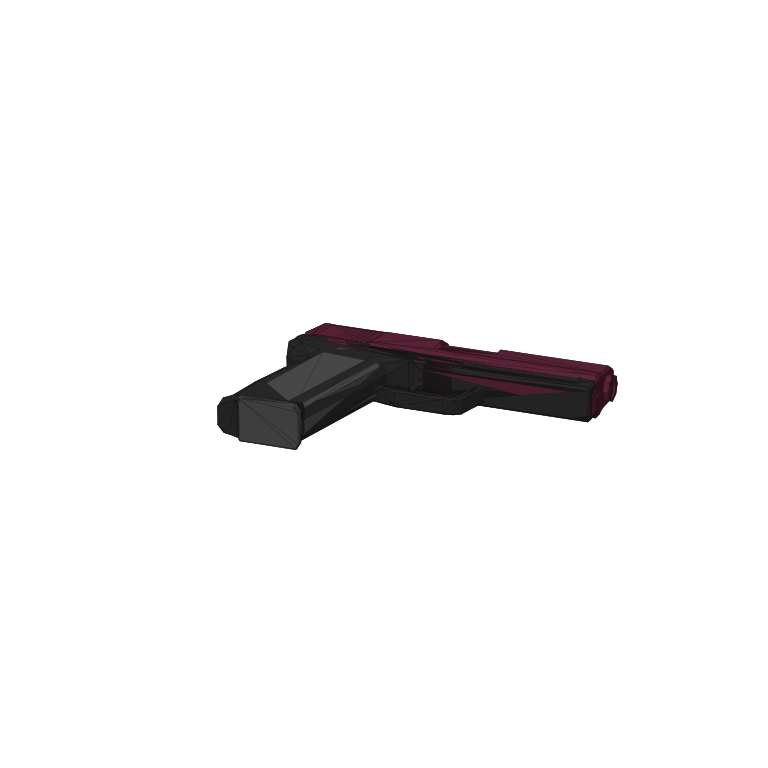
The Pistol is a $50 Forest purchase with a recorded base damage of 25 per shot. It is a practical first firearm when you want to stop handling every landed creature at melee distance. Its job is controlled, repeatable damage rather than the largest single hit.
Prepare the purchase and the encounter
Buy it as part of a working fishing setup: reserve money for the lure or quest step you came to the island to complete, and leave enough supplies to finish the catches that setup produces.
A useful first target is an ordinary Forest catch in open space. Practising aim and follow-up shots there is less costly than learning the weapon during a paid boss-lure encounter.
Make the weapon work for the trip
Maintain a clear view of the creature and take shots you can place consistently. Moving back into a clean firing lane is usually a better editorial starting point than emptying ammunition while the target is obscured by the boat or loose items.
For sale-bonus practice, change one condition at a time. First establish a reliable kill, then attempt a chosen bonus. This lets you distinguish a failed trick-shot condition from a basic aiming problem.
Compare the complete setup
The Shotgun costs $150 and delivers damage as a spread of pellets; its per-pellet figure cannot be compared directly with the Pistol’s single-shot figure. Choose based on the distance at which you can control the encounter.
Keep a melee option for small, manageable catches if conserving firearm supplies is the immediate goal. Neither choice changes the bait required to summon a story boss.
Store equipment deliberately
Patch 1.0.10 introduced saving for up to 64 ground items, with equipment, quest items and creatures among the priorities. It also added cleaning for cooked weapons and tools by dipping them in water. Treat ground storage as limited, and keep track of important equipment before ending a session.
Guide images
View 3 related images